

Current News
Check Out our News Section for Daily News and Events!
Summary Block
This Month Current Bestsellers!
Check back every month for what’s Hot!
Featured
Check Out our News Section for Daily News and Events!
Check back every month for what’s Hot!
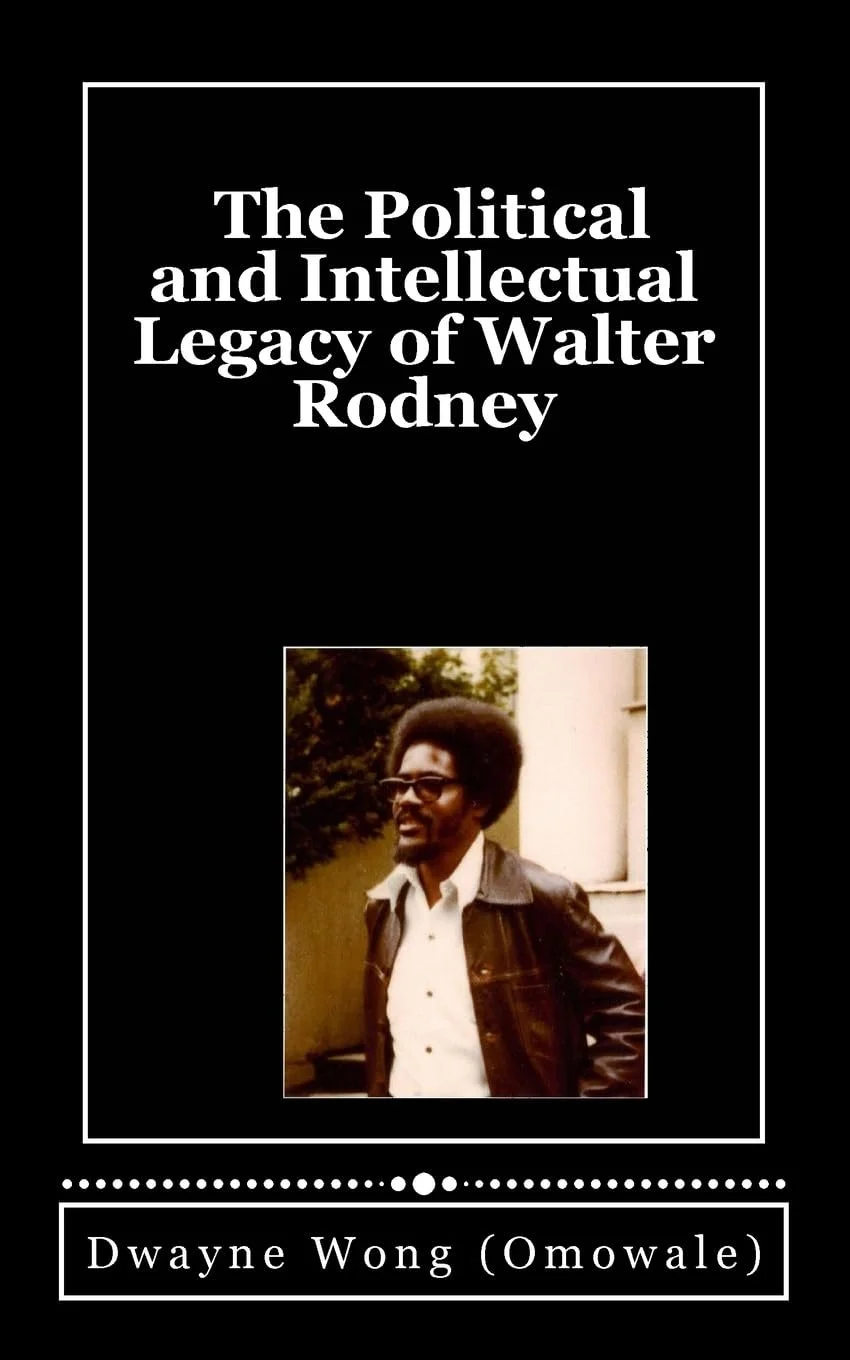
Walter Rodney left a political and academic legacy to the African world that few have matched. Rodney was a tireless scholar and activist who undertook a number of struggles throughout his lifetime. Rodney was a student activist as an undergraduate at the University of the West Indies in Jamaica. After earning his doctorate in England and teaching for some time as a professor in Tanzania, Rodney returned to Jamaica. There he wasted no time in educating the masses on African history, while also criticizing the failures of the Jamaican government to alleviate the suffering of the black masses on the island. For this Rodney was banned from Jamaica.He then turned to Tanzania, where he produced his most well-known book “How Europe Underdeveloped.” Rodney eventually returned to Guyana and he joined the Working People’s Alliance. The WPA was organized with the intention of uniting the working people of Guyana and to challenge the dictatorship of Forbes Burnham. In 1980, Rodney was killed. Many feel Rodney was assassinated by the government for his activities.“The Political and Intellectual Legacy of Walter Rodney” examines both Rodney’s work as an academic and a political figure.
"Walter Rodney was a pioneering scholar who provided new answers to old questions and posed new questions in relation to the study of Africa."
–Professor Winston McGowan
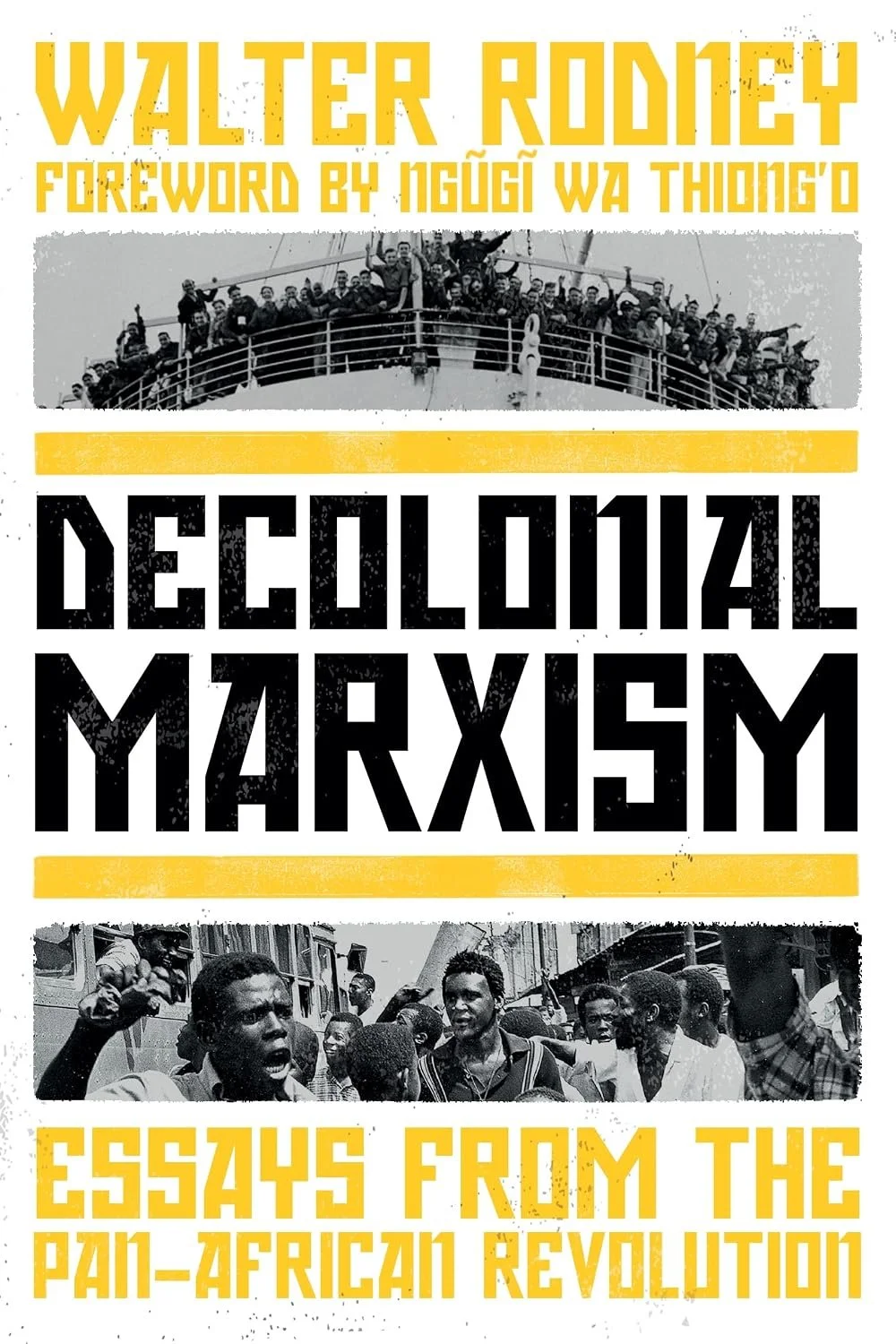
A previously unpublished collection of Walter Rodney's essays on Marxism, spanning his engagement with Black Power, Ujamaa Villages, and the everyday people who put an end to a colonial era
Early in life, Walter Rodney became a major revolutionary figure in a dizzying range of locales that traversed the breadth of the Black diaspora: in North America and Europe, in the Caribbean and on the African continent. He was not only a witness of a Pan-African and socialist internationalism; in his efforts to build mass organizations, catalyze rebellious ferment, and theorize an anti-colonial path to self-emancipation, he can be counted among its prime authors.
Decolonial Marxism records such a life by collecting previously unbound essays written during the world-turning days of Black revolution. In drawing together pages where he elaborates on the nexus of race and class, offers his reflections on radical pedagogy, outlines programs for newly independent nation-states, considers the challenges of anti-colonial historiography, and produces balance sheets for a dozen wars for national liberation, this volume captures something of the range and power of Rodney's output. But it also demonstrates the unbending consistency that unites his life and work: the ongoing reinvention of living conception of Marxism, and a respect for the still untapped potential of mass self-rule.
A never-before published history of the Russian Bolshevik Revolution and its post-colonial legacy, woven together from lecture excerpts by the renowned Pan-African revolutionary socialist theorist.
In his short life, Guyanese intellectual Walter Rodney emerged as one of the foremost thinkers and activists of the anticolonial revolution, leading movements in North America, Africa, and the Caribbean. Wherever he was, Rodney was a lightning rod for working-class Black Power organizing. His deportation sparked Jamaica’s Rodney Riots in 1968, and his scholarship trained a generation how to approach politics on an international scale. In 1980, shortly after founding the Working People’s Alliance in Guyana, the 38-year-old Rodney was assassinated.
Walter Rodney’s The Russian Revolution collects surviving texts from a series of lectures he delivered at the University of Dar es Salaam, an intellectual hub of the independent Third World. It had been his intention to work these into a book, a goal completed posthumously with the editorial aid of Robin D.G. Kelley and Jesse Benjamin. Moving across the historiography of the long Russian Revolution with clarity and insight, Rodney transcends the ideological fault lines of the Cold War. Surveying a broad range of subjects—the Narodniks, social democracy, the October Revolution, civil war, and the challenges of Stalinism—Rodney articulates a distinct viewpoint from the Third World, one that grounds revolutionary theory and history with the people in motion.